LA HABITACIÓN DE LOS JILGUEROS
PRONTO
El año que viene cumpliré la edad que tenía mi padre cuando murió; hace tiempo que dejé de recordar su voz.
No he olvidado su rostro ni sus hábitos, pero he perdido el recuerdo de su voz. Con el tiempo, esa voz ha dejado de existir como sonido humano reconocible y ha sido sustituida por otra forma de presencia: el canto de los jilgueros.
Mi padre criaba jilgueros. Entre él y esos pájaros existía una relación íntima, casi un lenguaje compartido. Recuerdo que, al volver del colegio, subía a la habitación donde estaban los jilgueros y les ponía cintas con su canto grabado.
Hoy, cuando intento recuperar la voz de mi padre, aparece el sonido de los jilgueros. No como metáfora, sino como una forma real de recuerdo: una sustitución acústica donde lo humano y lo animal se confunden en la memoria.
Después de su muerte, liberé a todos los jilgueros. Imaginé que su canto seguiría expandiéndose, llevando consigo algo de él allí donde volaran.
La habitación de los jilgueros quedó vacía en el verano de 1998.
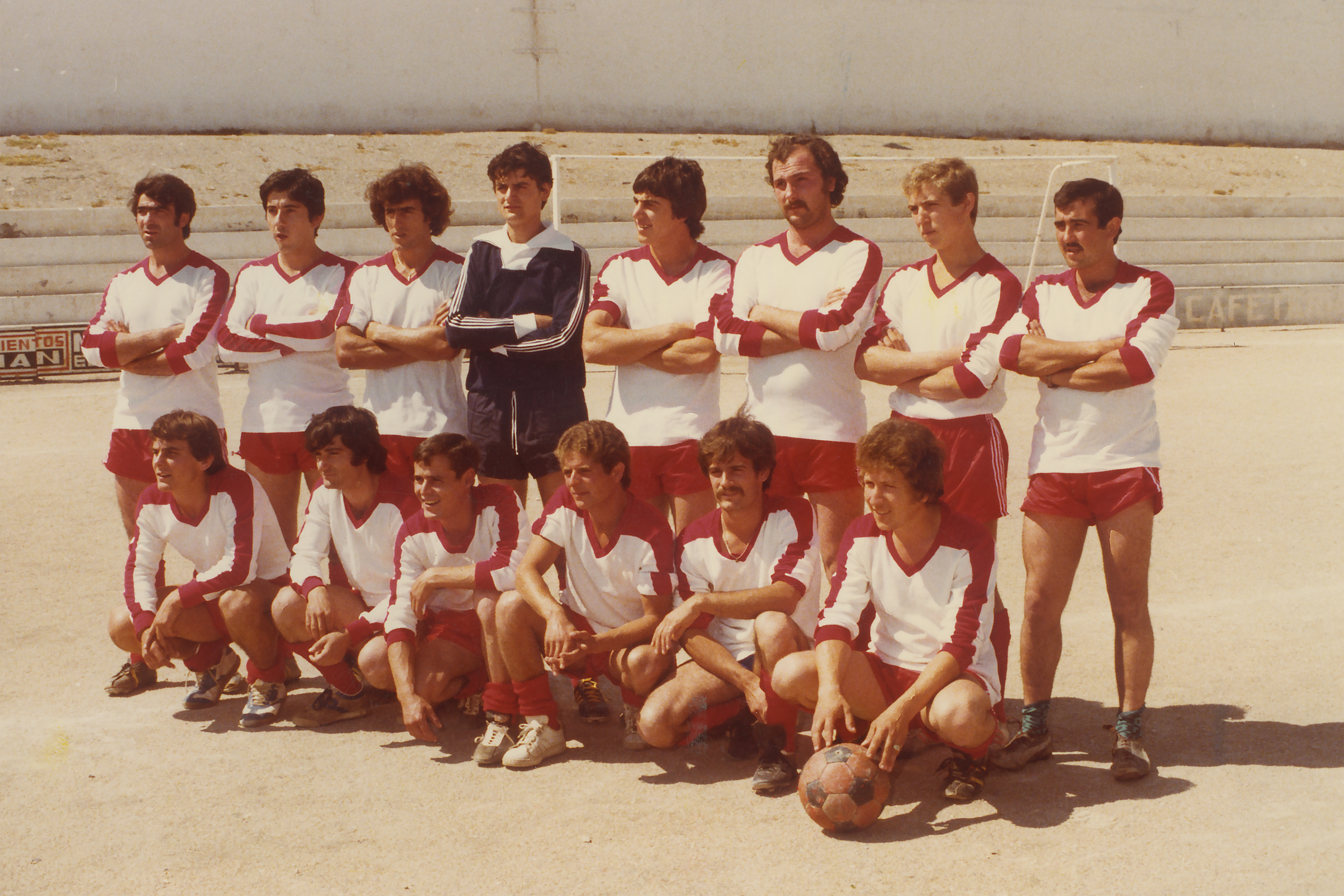
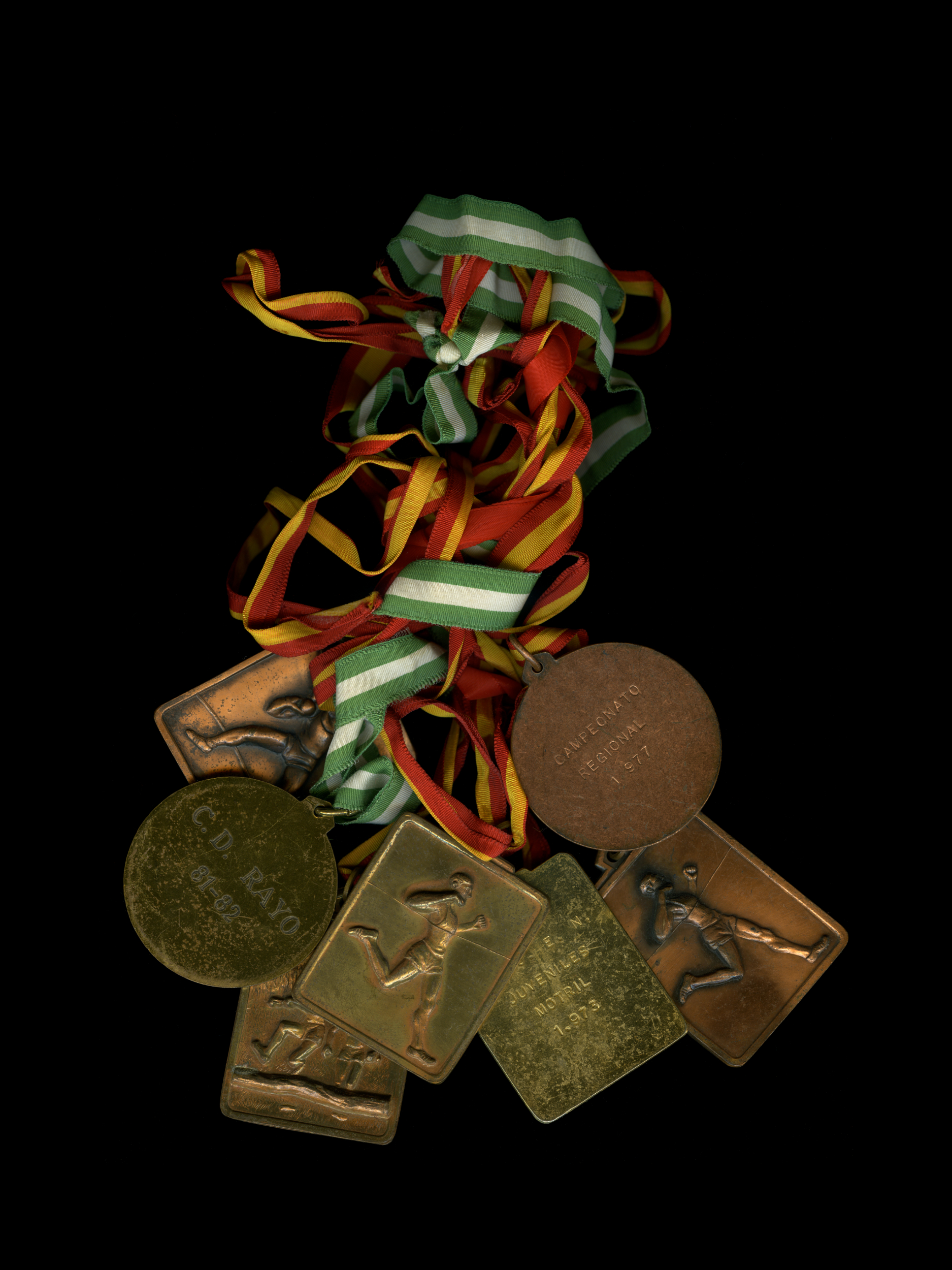
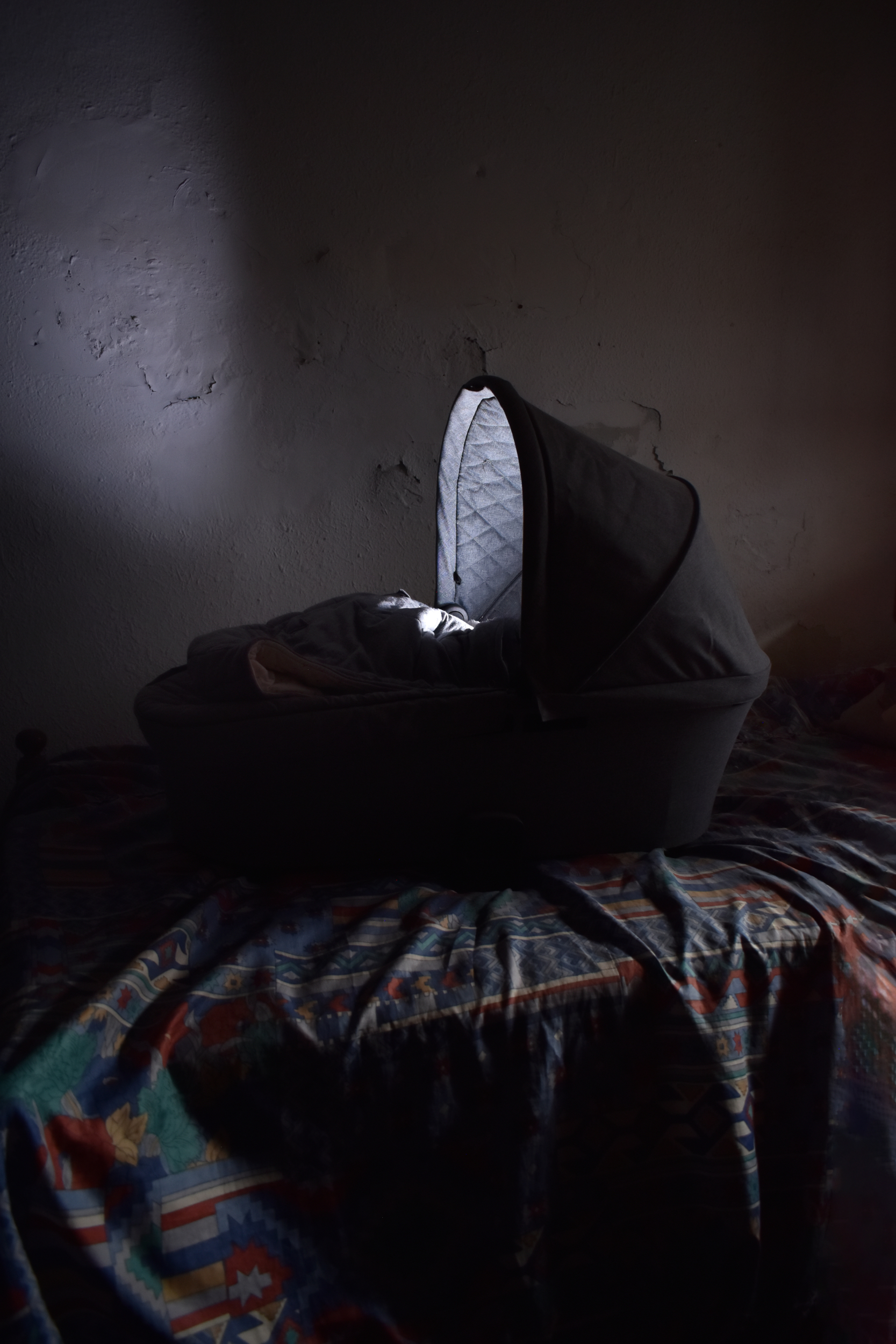
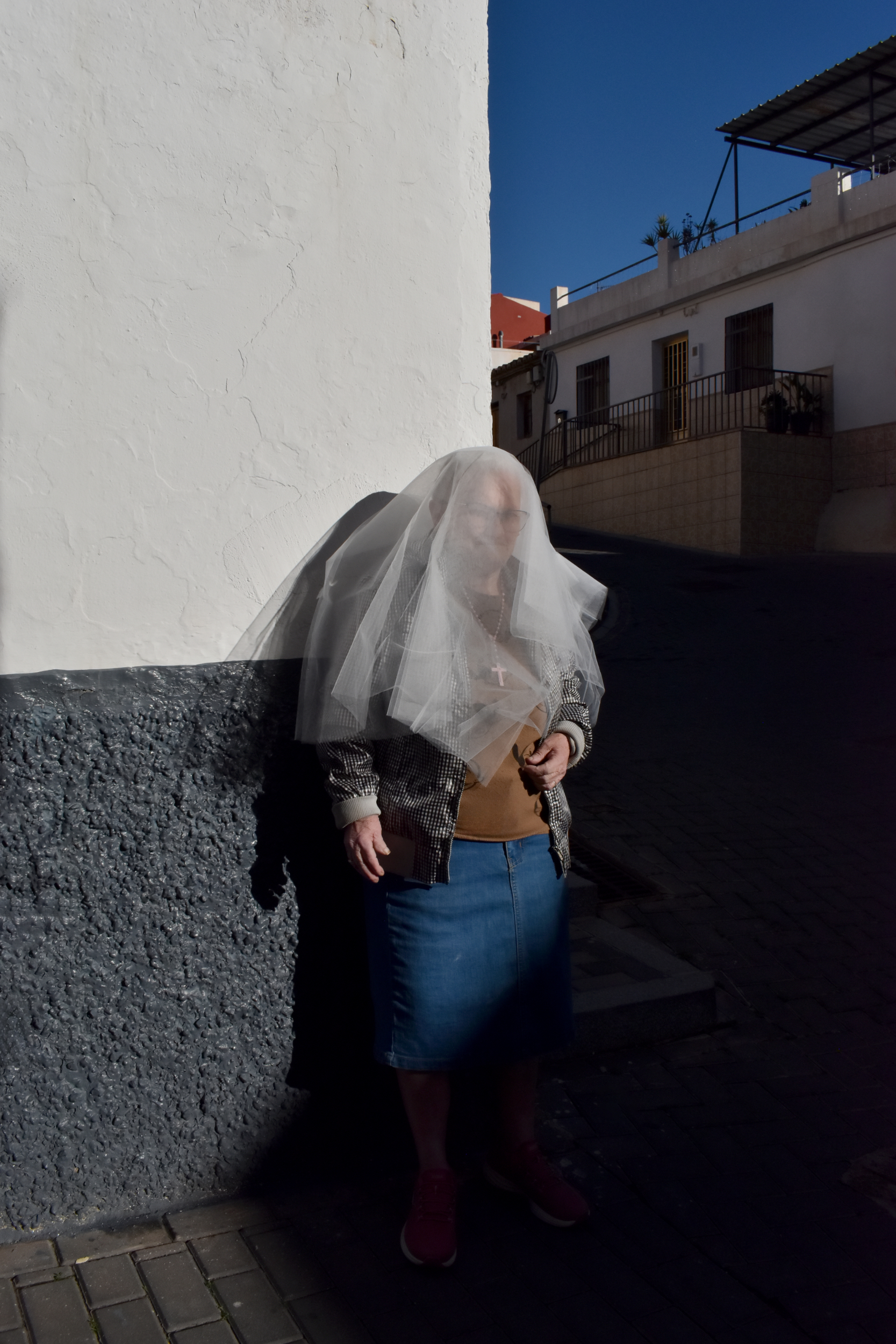
Este proyecto aborda la memoria familiar como un territorio sensorial inestable, donde la identidad se reconstruye a través de fragmentos, relatos y sustituciones. Las personas retratadas aparecen como portadoras de una historia que no es fija, sino que se transforma cada vez que es recordada.
Tony Lorenzo
THE ROOM OF THE GOLDFINCHES
SOON
Next year I will be the age my father was when he died; it has been a long time since I last remembered his voice.
I have not forgotten his face or his habits, but I have lost the memory of his voice. Over time, that voice has ceased to exist as a recognisable human sound and has been replaced by another form of presence: the song of the goldfinches.
My father raised goldfinches. Between him and these birds there was an intimate relationship, almost a shared language. I remember that, when I came back from school, I would go up to the room where the goldfinches were kept and play tapes with their recorded song.
Today, when I try to retrieve my father’s voice, the sound of the goldfinches appears. Not as a metaphor, but as a real form of memory: an acoustic substitution in which the human and the animal merge in recollection.
After his death, I released all the goldfinches. I imagined their song continuing to spread, carrying something of him wherever they flew.
The room of the goldfinches remained empty in the summer of 1998.
This project explores family memory as an unstable sensory territory, where identity is reconstructed through fragments, narratives, and substitutions. The portrayed individuals appear as carriers of a story that is not fixed, but constantly transformed each time it is remembered.
Tony Lorenzo

